

How to Stay Safe While Waiting for Roadside Assistance
Experiencing a vehicle breakdown can be a stressful and unexpected event that disrupts your travel plans and leaves you stranded on the shoulder of a busy highway. When your car loses power or sustains a flat tire, your immediate reaction might be panic, but maintaining composure is vital. A breakdown places you in a vulnerable position, especially when fast-moving traffic is nearby. Knowing how to react in the initial moments following a mechanical failure can make a significant difference. Protecting yourself and your passengers must always be your top priority when a vehicle suddenly stops functioning correctly. While you might be eager to fix the issue yourself, stepping out into traffic is dangerous. Instead, the smartest choice is almost always to rely on professional help. According to Otonomo, on average, US roadside assistance services receive 1.76 million calls yearly. With so many people requiring help on the road, you are far from alone in this experience. Knowing how to protect yourself while waiting for that help to arrive is absolutely essential.
Moving Your Vehicle to a Safe Location
The moment you realize your vehicle is experiencing a mechanical problem, your immediate goal should be to navigate away from the flow of active traffic. If your vehicle still has some momentum and steering capability, signal clearly and guide it toward the right shoulder or a designated pull-off area. The further away from the active lanes you can get, the better protected you will be from passing motorists. If the vehicle loses complete power and you cannot reach the shoulder, avoid the urge to push the vehicle yourself. Staying inside a disabled vehicle in a traffic lane is frightening, but stepping out into an active highway is far more hazardous. If you can safely reach an exit ramp, take advantage of the opportunity to maximize the physical distance between your car and moving traffic while you await your roadside assistance.
Making Your Vehicle Highly Visible
Once your vehicle has come to a complete stop, you must take immediate steps to warn other drivers of your presence. Activating your hazard lights should be your automatic response, as the flashing lights draw attention and signal that your vehicle is immobile. This is especially crucial during periods of low visibility, such as heavy rain or nighttime driving. If you possess reflective warning triangles or brightly colored flares in your emergency kit, consider deploying them behind your vehicle to create a visual buffer zone. However, only attempt to place these warning devices if you can do so without stepping into active traffic lanes. If traffic is heavy or speeding by closely, it is safer to rely solely on your hazard lights. You can also raise your vehicle's hood to clearly indicate that you are experiencing an emergency.
Communicating With Emergency Dispatchers
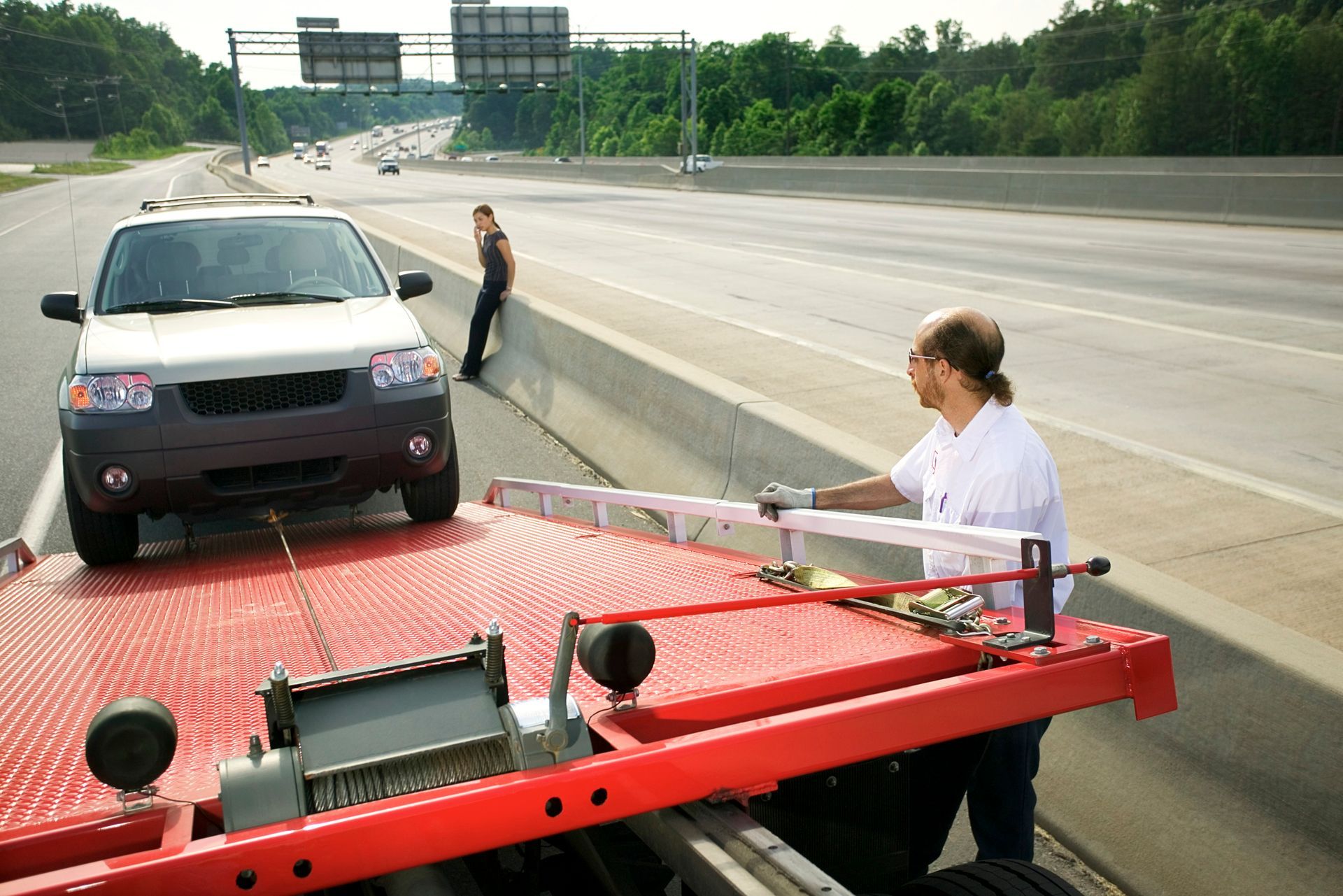
After securing your vehicle, your next step is to request professional support. Use your cellular device to contact your roadside assistance provider, and be prepared to offer clear and accurate information about your situation. The dispatcher will need to know your precise location, which can sometimes be difficult to determine if you are driving on an unfamiliar stretch of highway. Look for nearby mile markers, prominent landmarks, or intersecting roads to help pinpoint where you are stranded. Most modern smartphones have mapping applications that can provide your exact coordinates if you are unsure of your surroundings. Additionally, provide the dispatcher with a clear description of your vehicle, including the make, model, and color. Be sure to describe the nature of your mechanical problem as accurately as possible so the responding technician brings the correct equipment.
Assessing Your Immediate Surroundings
While you wait for your requested help to arrive, take a moment to carefully observe the environment around your disabled vehicle. Pay attention to the behavior of passing traffic, noting whether vehicles are drifting too close to the shoulder. If you are broken down in a secluded area that feels unsafe, trust your instincts and keep your doors securely locked and your windows rolled up. Evaluate the weather conditions as well, as extreme heat or freezing temperatures can introduce entirely new hazards to your situation. If the weather is dangerously cold, run your engine intermittently to utilize the heater, provided your exhaust pipe is completely clear of debris. Being acutely aware of your surroundings allows you to adapt to changing conditions and make informed decisions about your safety while you wait for your roadside assistance.
Staying Inside the Cabin Safely
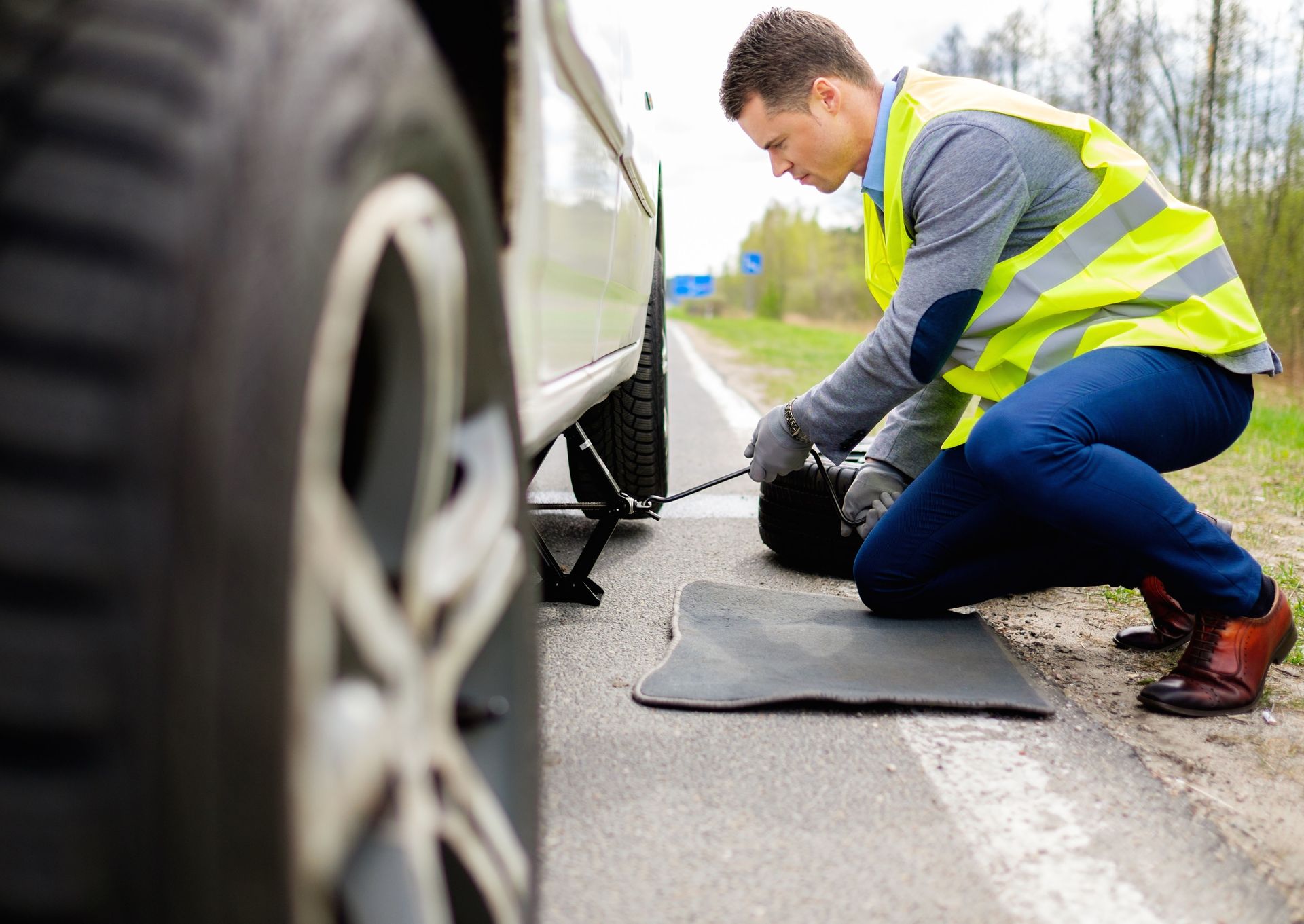
In the vast majority of breakdown scenarios, the safest place for you and your passengers is inside the locked cabin of your vehicle with your seatbelts securely fastened. Your car is designed to absorb the impact of a collision and offers a protective shell against the elements and passing traffic. Standing outside the vehicle, particularly on the side closest to moving traffic, exposes you to a significant risk of being struck by an inattentive driver. Even if you believe you can quickly change a flat tire, doing so on a narrow shoulder is risky. If you must exit the vehicle for a critical safety reason, such as the threat of a fire, always exit through the door furthest away from traffic. Once outside, move well away from the roadway and position yourself behind a guardrail.
Remaining Alert and Vigilant
Waiting for help can be tedious, and it is easy to become distracted by your phone or to fall asleep, especially if it is late at night. However, it is essential to remain awake, alert, and continuously aware of your surroundings. Keep a close eye on the traffic passing by and be prepared to brace yourself if a vehicle appears to be veering toward your position. If an unmarked vehicle stops and someone approaches your car offering help, exercise extreme caution. While many people have good intentions, it is generally safer to crack your window only slightly and politely inform the stranger that professional roadside assistance is already on the way. Do not unlock your doors for an unknown individual. Trusting your safety to trained professionals is always the most secure course of action.
Trusting Official Service Providers Only
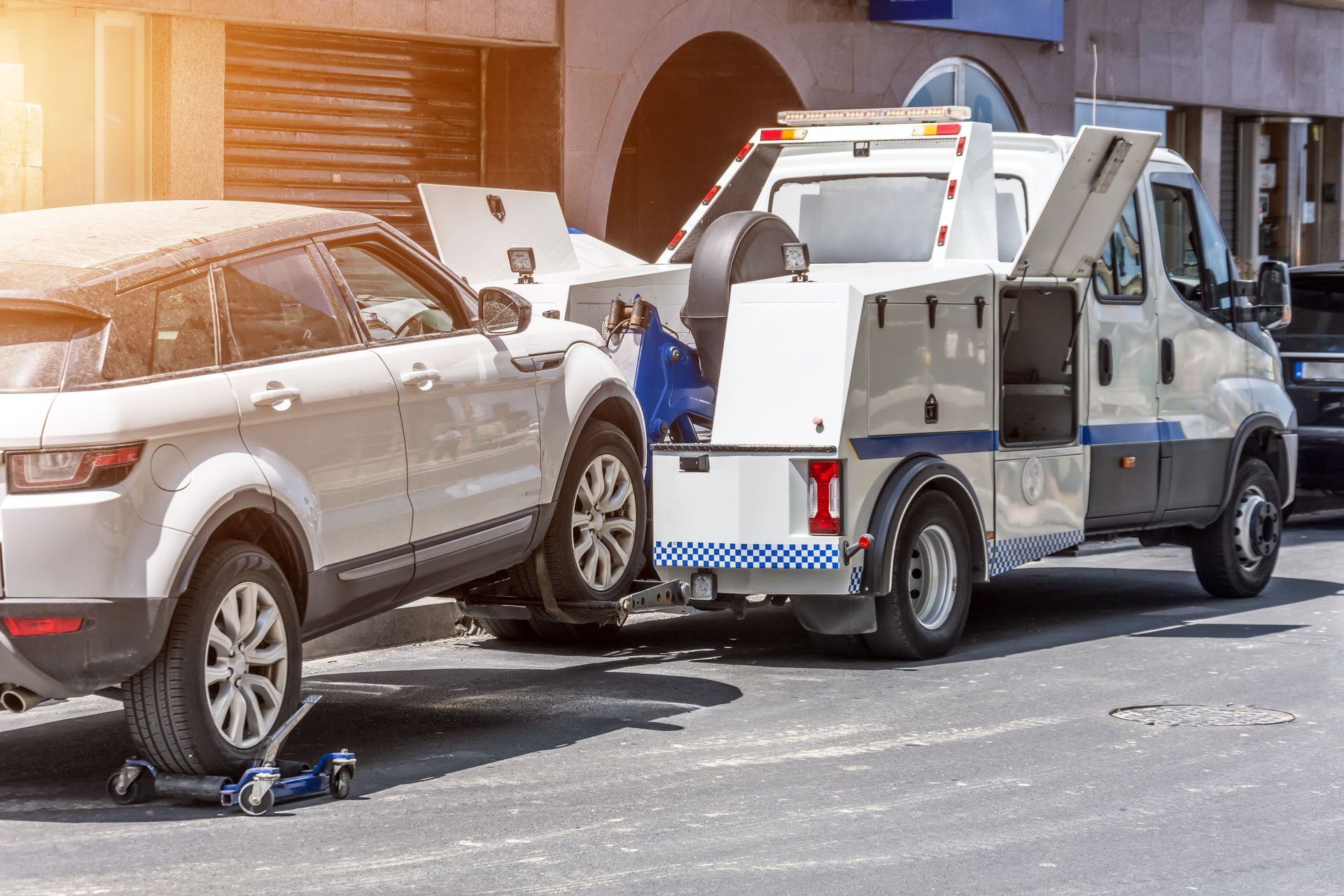
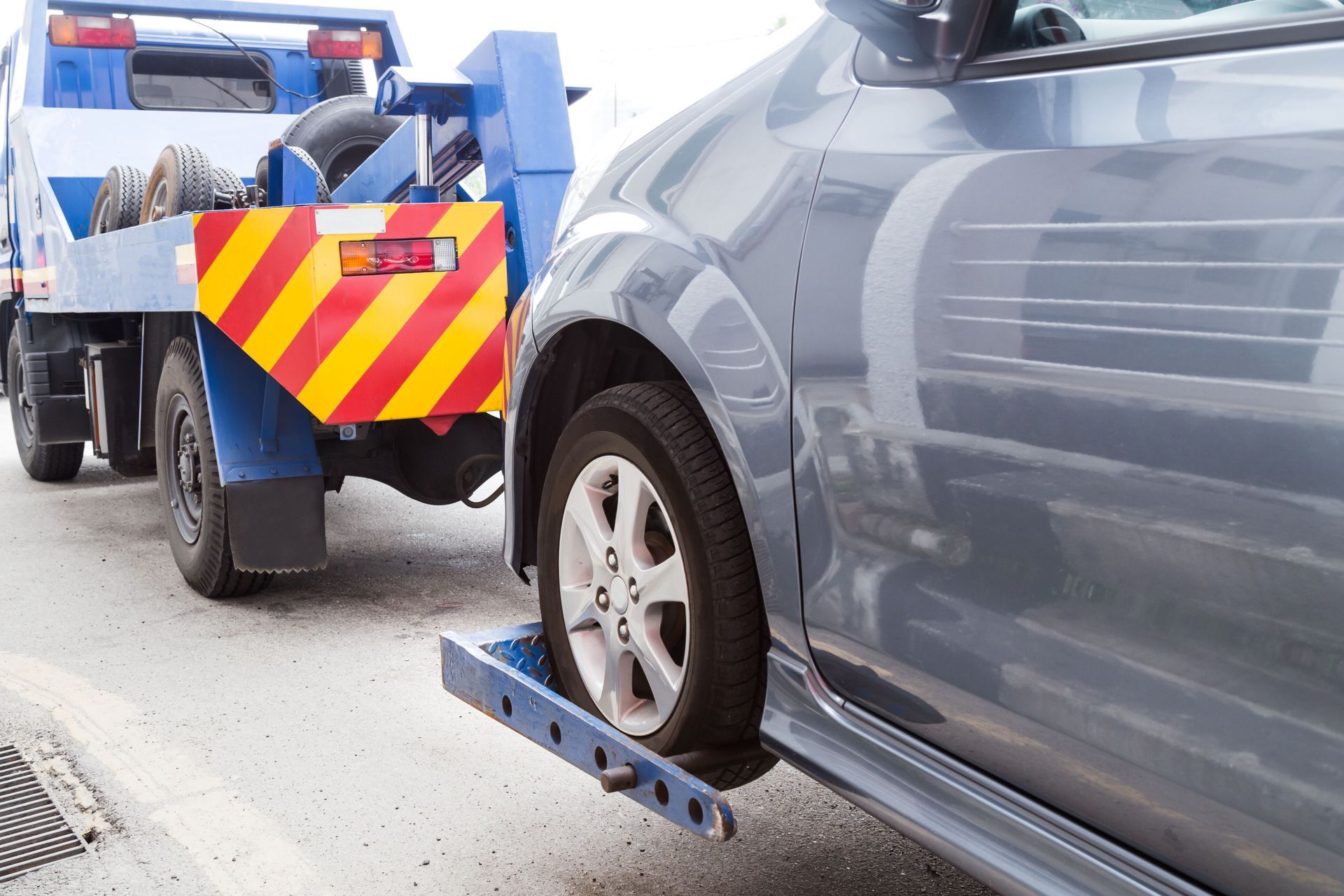
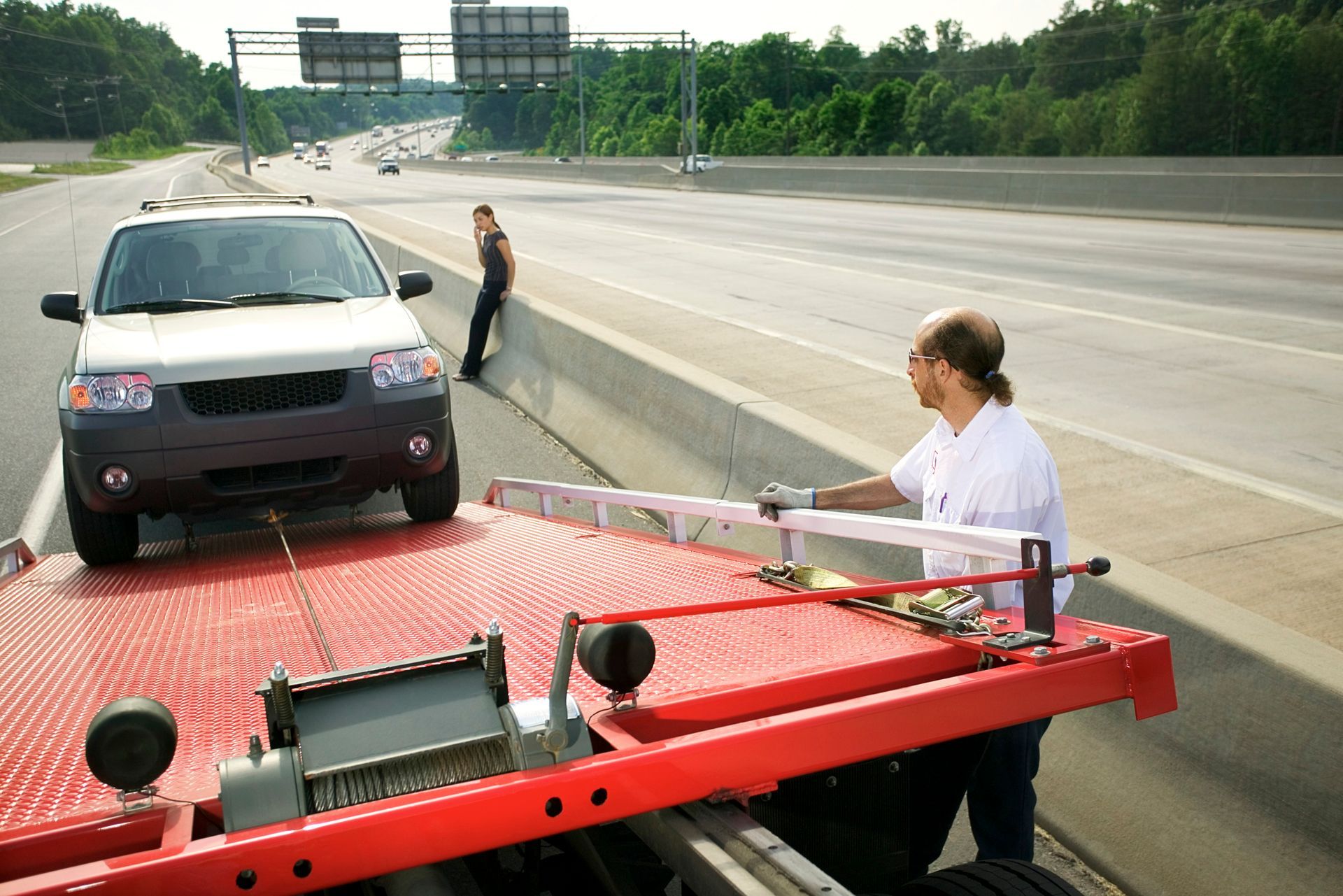
When a tow truck finally arrives, take a moment to verify their identity before lowering your window completely or stepping out of your car. Check the vehicle for official company signage, logos, and identification numbers that match the service you requested. If you have any doubts about the legitimacy of the responding technician, do not hesitate to contact your roadside assistance dispatcher again to confirm the driver's name and vehicle description. Legitimate service providers understand the importance of safety and will not be offended by your caution. Once you are confident that the correct individual has arrived, you can safely communicate with them and follow their instructions. By remaining cautious and verifying the identity of your helpers, you ensure that your breakdown experience concludes safely.
Experiencing a breakdown is an unfortunate reality of driving, but handling the situation with caution and preparedness can prevent it from escalating into a dangerous emergency. By prioritizing visibility, communicating clearly with dispatchers, and remaining securely inside your vehicle whenever possible, you can protect yourself and your passengers from the hazards of passing traffic. Always trust your instincts, utilize your emergency supplies, and wait for verified professionals to handle the mechanical issues. Being stranded is never ideal, but your reaction dictates the safety of the outcome. When you find yourself in need of dependable roadside assistance, professional support makes all the difference. Reach out to Atlantic Towing & Recovery, Inc today to learn more about our comprehensive services and how we can keep you moving safely on the road.
Share On: